
 Commercial
 Property for Lease in Gurgaon: Legal Checklist

Gurgaon’s commercial real estate market moves fast. A promising office in Cyber City or a retail unit on MG Road can attract multiple interested tenants within days, and that urgency can push businesses into signing lease agreements without adequate legal scrutiny. The consequences — locked-in unfair rent escalation clauses, unexpected maintenance liabilities, or disputed exit terms — can cost a company far more than a few weeks of due diligence would have.
This checklist is designed for business owners, startup founders, and procurement managers who are evaluating commercial property for lease in Gurgaon and want to avoid the most common legal pitfalls.
Key Documents to Verify Before You Negotiate
Before you even begin discussing rent, your legal team or a qualified property lawyer should verify the following documents directly from the landlord.
Title and Ownership Verification
Confirm that the landlord actually holds clear, marketable title to the property. Request the original sale deed, and cross-check ownership records with the Haryana government’s HRERA registration portal and the relevant tehsil land records office. In Gurgaon, properties in mixed-use or special economic zones sometimes have layered ownership structures involving developers, landowners, and housing societies — each layer can create disputes that affect your right to occupy the space.
Occupancy and Completion Certificates
An Occupancy Certificate (OC) issued by the Municipal Corporation of Gurugram confirms that the building was constructed according to approved plans and is legally fit for use. Many commercial buildings in Gurgaon — especially in newer micro-markets like Sohna Road and Southern Peripheral Road — are leased out before an OC is issued. Operating from a building without a valid OC can expose your business to enforcement action and insurance complications.
Zoning and Land-Use Compliance
Verify that the property is zoned for your intended use. A space marked for general commercial use may not permit manufacturing, warehousing, or certain service categories. The Gurugram Metropolitan Development Authority (GMDA) maintains land-use maps that can confirm whether a property’s current use aligns with its permitted classification.
Encumbrance Check
Obtain an encumbrance certificate covering at least the past 13 years. This confirms whether the property carries any outstanding mortgages, liens, or litigation. A property under bank mortgage can be seized by the lender even while you are a paying tenant, so this step is non-negotiable.
Critical Lease Clauses to Scrutinise
Once documents check out, the lease agreement itself demands equally careful attention. Indian lease law under the Transfer of Property Act, 1882 gives landlords and tenants considerable freedom to set their own terms — which means poorly drafted agreements heavily favour whoever wrote the first draft.
Rent Escalation and Lock-In Period
Most commercial leases in Gurgaon include a rent escalation clause, typically 5–15% every one to three years. Negotiate a cap, and ensure the escalation formula is written explicitly rather than left to the landlord’s discretion. Similarly, review the lock-in period carefully. A three-year lock-in with a steep penalty for early exit can be crippling if your business pivots or downsizes.
Maintenance, CAM Charges, and Fit-Out
Common Area Maintenance (CAM) charges in Gurgaon’s Grade A commercial buildings are often significant and can rise independently of your base rent. The lease should specify exactly which costs are included in CAM, how they are calculated, and whether you have the right to audit the landlord’s CAM accounts. If you are taking an unfinished shell space, clarify in writing who bears the cost of electrical fit-out, HVAC, and partition work — and whether the landlord’s fit-out contribution (if any) is a loan or a concession.
Exit, Renewal, and Sub-Letting Rights
Negotiate a clear termination notice period — 90 to 180 days is standard for large commercial spaces. Confirm whether you have a right of first refusal to renew at the end of the lease term, and whether you can sub-let or assign the lease if your circumstances change. Some agreements prohibit sub-letting entirely; others allow it only with landlord consent, which can become a point of dispute.
Security Deposit and Refund Terms
Security deposits for commercial property for lease in Gurgaon typically range from two to six months’ rent, with the exact amount varying by building grade and landlord. The agreement must specify the exact refund timeline after lease expiry, the conditions under which the landlord can make deductions, and — critically — whether the deposit earns interest. Without a written refund clause, disputes over deposit return are among the most common reasons tenants end up in arbitration.
Dispute Resolution Clause
Ensure the lease specifies arbitration as the primary dispute resolution mechanism and names a governing jurisdiction. Given Gurgaon’s commercial density, many landlords prefer Delhi or Gurugram courts; confirm this in advance so you are not forced into an inconvenient forum.
Frequently Asked Questions
Is it mandatory to register a commercial lease agreement in Gurgaon?
Yes. Under the Registration Act, 1908, any lease agreement for a period exceeding 11 months must be registered with the Sub-Registrar’s office. Unregistered leases lasting more than 11 months are not admissible as evidence in court, which significantly weakens a tenant’s legal position in any dispute.
What is a typical lock-in period for commercial leases in Gurgaon?
Lock-in periods commonly range from one to three years for small and mid-size spaces, and up to five years for large floor plates in Grade A buildings. The key issue is the early exit penalty — negotiate this to be limited to the remaining rent for the lock-in period rather than the full lease tenure.
Can a landlord increase rent during the lock-in period?
Not if the lease agreement explicitly prohibits it. Ensure the agreement states that no rent revision will apply during the lock-in period, even if the escalation clause provides for annual increases.
Who is responsible for property tax on a leased commercial property?
Unless the lease agreement explicitly shifts the obligation, property tax is the landlord’s liability as the owner of record. However, some landlords attempt to pass this cost to tenants through CAM charges — review the CAM definition carefully to ensure property tax is excluded.
How much security deposit is standard for commercial spaces in Gurgaon?
For most commercial properties in Gurgaon, security deposits range from two to six months of rent. Grade A buildings in Cyber City or DLF phases tend to ask for three to six months, while secondary markets may accept two to three months. Always insist on a written refund clause with a specific timeline.
What happens if the building lacks a valid Occupancy Certificate?
Operating from a building without an OC can lead to municipal enforcement action, including sealing of premises. It may also void your commercial insurance policy and complicate regulatory filings. If an OC is pending, negotiate an indemnity clause and a timeline by which the landlord must obtain it — or consider walking away.
Looking for a Pre-Leased Property in Gurgaon?
Talk to our property consultants for verified pre-leased commercial listings with reputed tenants and steady rental income. No obligation.
Call +91 89491 65996Chat on WhatsAppSend an Enquiry Commercial
Office Space for Rent in Gurgaon: Attract Premium Tenants

Gurgaon — now officially Gurugram — has firmly established itself as India’s premier corporate address. The city’s Golf Course Road, Cyber City, and NH-48 corridors are home to the regional and global headquarters of companies that span finance, technology, consulting, and pharmaceuticals. For a landlord, that concentration of multinational demand is an opportunity. But it also sets the bar high: Fortune 500 occupiers apply the same due-diligence rigour to a lease decision in Gurgaon as they do in London or Singapore.
If you own or manage commercial property and want to compete seriously for that tier of tenant, the quality of your building is only the starting point. Understanding what large corporates actually evaluate — and how the best-performing assets in the city differentiate themselves — is what turns a vacancy into a long-term, high-value lease.
What Fortune 500 Tenants Actually Look For
Large occupiers are not simply shopping for square footage. Their real estate teams conduct structured scorecards that assess a building across several dimensions before a shortlist is even created.
Grade-A specifications are non-negotiable. Raised flooring, a minimum floor-to-ceiling height of 2.75 metres, a floor plate of at least 20,000 sq ft, and a power backup of 1 VA per sq ft are baseline requirements for most multinationals. HVAC systems must be individually controlled by zone, and the building’s common areas must be maintained to a standard that reflects the tenant’s own brand expectations.
Green certification changes the conversation. According to the Indian Green Building Council, India now has over 10 billion sq ft of registered green building footprint, and large corporates — many of whom have signed the Science Based Targets initiative — are contractually obligated to occupy certified space wherever possible. A LEED Platinum or IGBC Gold rating is no longer a differentiator; in many RFPs it is a threshold criterion. If your building lacks certification, you will simply not appear on the shortlist.
Connectivity and last-mile access matter enormously. Proximity to the Rapid Metro or the Delhi Metro network is factored into employee commute modelling. Buildings within 500 metres of a metro station consistently command a 10–15% rental premium over comparable stock that requires a cab or shuttle. If your asset is not walkable from transit, invest in a dedicated shuttle partnership before your next vacancy.
Vendor and fitout flexibility is underrated. Many Fortune 500 tenants arrive with a preferred interior design firm, a global MEP contractor, and a specific furniture programme. Landlords who impose restrictive vendor panels or charge punitive fitout management fees lose deals quietly — tenants rarely tell you the real reason they walked away.
Finally, occupiers at this level send their global real estate and legal teams to review leases. Documents that contain unusual or non-standard clauses — particularly around exit penalties, maintenance cost caps, and reinstatement obligations — slow down deal timelines dramatically. Work with a property lawyer who has experience structuring Grade-A commercial leases before you enter any serious negotiation.
How to Position Your Asset and Justify Premium Rents
Attracting the right tenant is one challenge; achieving the rent you want is another. The good news is that the two goals are aligned. The same investments that make your building eligible for Fortune 500 consideration also provide the evidence base for a premium rent discussion.
Benchmark honestly, then invest with intention. The market for office space for rent in Gurgaon spans a wide range — from sub-₹60 per sq ft per month in peripheral locations to ₹200 and above on prime Golf Course Road addresses. Before you set an asking rent, commission an independent valuation and a competing-property audit. Identify the two or three assets in your micro-market that are consistently winning high-quality tenants, and close the gap on whatever they offer that you do not.
Amenity programming is now a hard asset feature. The pandemic permanently shifted what tenants value in an office building. A cafeteria with multiple food operators, a wellness centre, an EV charging infrastructure in the basement, and a bookable podcast or video-conferencing studio are no longer luxury add-ons. They are the reasons a global occupier’s employees choose to commute rather than work from home — and they are reasons a real estate director can present to the CFO when justifying a ₹180 rent versus a ₹140 alternative.
Offer structured flexibility without sacrificing revenue. Large tenants often want an anchor lease on core floors and the option to expand into adjacent space as headcount grows. Building a formal right-of-first-refusal mechanism into your lease structure — alongside a managed flex floor operated through a third-party partner — allows you to accommodate that demand without holding dead inventory. According to JLL India’s commercial research, flex space within Grade-A buildings has grown from a niche product to a mainstream leasing strategy across Gurgaon’s prime corridors.
Invest in property management as a front-of-house function. The first impression a Fortune 500 real estate director forms of your building is rarely the brochure — it is the lobby experience during a site visit. A responsive, tech-enabled facility management team, a digital visitor management system, and a building app that lets tenants raise service requests are signals that you operate at the standard they expect. Poor property management is the single most common reason multinational tenants do not renew, even when the location is right.
Signing a long-term lease with a creditworthy global occupier is the most reliable way to maximise the capital value of a commercial asset. The investment required to reach that standard is real, but so is the return — in rent, in lease length, and in the asset’s attractiveness to institutional investors if you choose to exit.
Frequently Asked Questions
What is the average rent for Grade-A office space for rent in Gurgaon?
Rents vary significantly by micro-market. Cyber City and Golf Course Road command ₹150–₹220 per sq ft per month for Grade-A stock, while NH-48 and Sohna Road corridors typically range from ₹80–₹130. Amenity levels, green certification, and floor plate size all influence where a specific asset sits within that band.
How long does it typically take to close a lease with a Fortune 500 tenant?
Expect a minimum of four to six months from initial enquiry to executed lease. Global corporates involve multiple internal stakeholders — real estate, legal, finance, HR, and often a regional leadership sign-off. Landlords who have their technical documents, title certificates, and lease drafts pre-prepared can compress this timeline meaningfully.
Is LEED certification worth the investment for a Gurgaon commercial building?
For landlords targeting multinational tenants, yes — almost without exception. The certification cost is typically recovered within one to two lease cycles through a combination of higher achieved rents, lower vacancy periods, and the ability to retain tenants at renewal who face ESG reporting obligations.
What lease structures do Fortune 500 tenants prefer in India?
Most large occupiers prefer a bare-shell or warm-shell lease with a tenant fitout, a lock-in period of three to five years, and an exit option thereafter. They typically negotiate a rent-free period to offset fitout costs, annual escalation clauses of 5–15%, and a formal expansion option on adjacent floors.
How important is parking supply when leasing to large corporate tenants?
Parking is a significant factor, particularly for tenants whose leadership teams are car-dependent. A ratio of at least one car park space per 1,000 sq ft of leased area is the general expectation, and EV charging bays are increasingly a stated requirement rather than a preference.
Can smaller landlords compete with institutional-grade buildings for quality tenants?
Yes, but only by being genuinely excellent in a specific area — whether that is a unique location, a distinctive design, or an unusually responsive management team. Smaller buildings that try to compete on every dimension with large institutional assets rarely win. Those that identify a specific tenant segment and build everything around that segment’s needs often build strong, loyal occupier relationships.
Looking for a Pre-Leased Property in Gurgaon?
Talk to our property consultants for verified pre-leased commercial listings with reputed tenants and steady rental income. No obligation.
Call +91 89491 65996Chat on WhatsAppSend an Enquiry Commercial
Top Featured Prelease Properties in Gurgaon Right Now
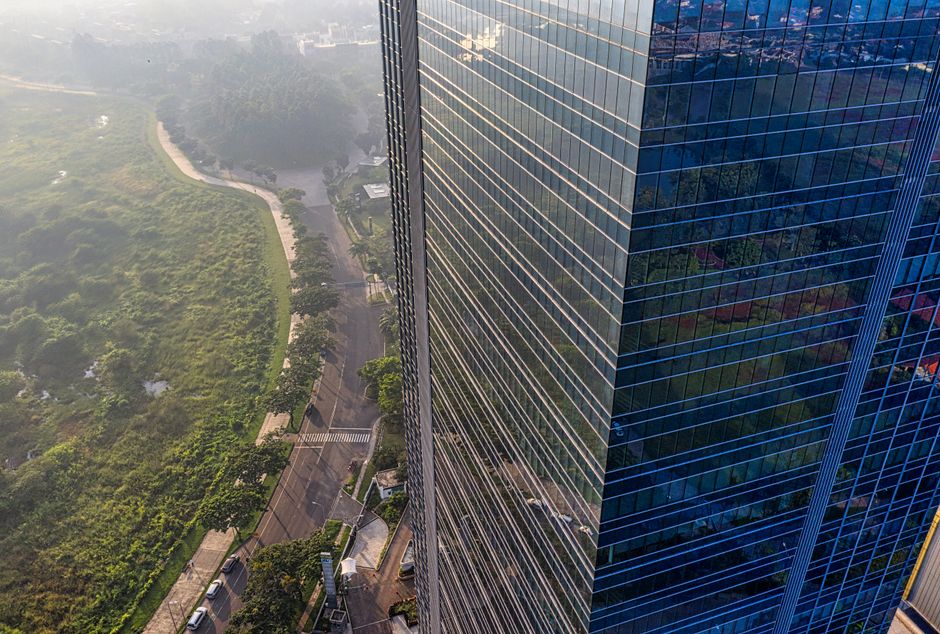
Gurgaon has quietly become one of India’s most reliable markets for pre-leased commercial investments. With multinational tenants, robust infrastructure, and steady rental appreciation, the city attracts both seasoned investors and those making their first foray into commercial real estate. If you’re actively hunting for featured prelease properties, the seven options below represent a strong cross-section of what the market offers today — office spaces, retail units, and mixed-use assets all included.
Before diving in, a quick note on what makes a pre-leased deal attractive: the tenant’s creditworthiness, the remaining lock-in period, the current yield, and the escalation clause. Miss any one of those and a seemingly great deal can underperform. According to Knight Frank India’s commercial real estate research, Gurgaon’s Grade-A office absorption has remained among the top three in the country for four consecutive years — context that matters when evaluating tenant stability.
What the Current Market Looks Like for Investors
Gurgaon’s micro-markets are not equal. Golf Course Road, Cyber City, NH-48 corridor, and Southern Peripheral Road (SPR) each carry different yield profiles and tenant compositions. Here’s how seven featured prelease properties currently stack up:
1. Golf Course Road — IT/ITES Office Suite, 4,200 sq ft
Tenant: A listed Indian IT services firm with a global client base. Yield: 7.2% per annum. Lock-in: 4 years remaining. Escalation: 15% every 3 years. This one suits conservative investors — the tenant has been in occupation for 3 years already, which means the fit-out risk is zero and the relationship is proven.
2. Cyber City — MNC Financial Services Office, 6,800 sq ft
Tenant: A Fortune 500 financial services company. Yield: 6.8% per annum. Lock-in: 5 years. Escalation: 12% every 3 years. Lower yield relative to peers, but the tenant covenant here is arguably the strongest on this list. Stability over aggression.
3. SPR — Co-Working Operator, 12,000 sq ft
Tenant: A well-funded co-working brand with 30+ centres nationally. Yield: 8.5% per annum. Lock-in: 3 years. Escalation: 15% every 3 years. Higher yield, but co-working tenants carry more operational risk than traditional corporates. Suitable for investors comfortable with moderate risk.
4. Sohna Road — Pharma Company Office, 3,500 sq ft
Tenant: A mid-cap listed pharmaceutical company. Yield: 7.6% per annum. Lock-in: 3.5 years remaining. Escalation: 15% every 3 years. Pharma sector tenants tend to have long operational horizons; this is a lesser-discussed but solid category for pre-leased assets.
5. NH-48 Corridor — Retail Ground Floor, 1,800 sq ft
Tenant: A national QSR (quick service restaurant) chain. Yield: 7.9% per annum. Lock-in: 6 years remaining. Escalation: 15% every 3 years. High-footfall corridor, strong brand tenant, and one of the longer lock-ins on this list. Retail pre-leased assets with QSR tenants are among the most liquid when it comes to resale.
6. DLF Cyber Hub Periphery — Logistics Tech Office, 5,100 sq ft
Tenant: A Series-C funded logistics technology startup backed by a marquee PE fund. Yield: 8.9% per annum. Lock-in: 2.5 years. Escalation: 15% every 3 years. Highest yield on the list, but the shortest lock-in and a startup tenant means risk is elevated. Best suited for investors who can absorb a potential re-leasing event.
7. Golf Course Extension Road — Healthcare Diagnostics Centre, 2,900 sq ft
Tenant: A pan-India diagnostics chain (listed entity). Yield: 7.4% per annum. Lock-in: 5 years remaining. Escalation: 15% every 3 years. Healthcare tenants rarely relocate due to regulatory and patient-base reasons — a structural advantage that makes this asset defensively positioned.
How to Compare These Deals Before You Commit
Yield alone is a misleading compass. A deal at 8.9% with 2.5 years of lock-in remaining is not automatically better than one at 6.8% with 5 years left — especially when you factor in the time and cost of re-leasing vacant commercial space, which can run anywhere from 3 to 9 months in Gurgaon’s current market.
Here are the four criteria you should apply to every featured prelease property you evaluate:
Tenant Covenant Strength
Publicly listed companies and Fortune 500 subsidiaries offer the highest covenant quality. Funded startups and co-working operators sit in a middle band. Evaluate the tenant’s revenue trend, not just their brand recognition.
Remaining Lock-In vs. Your Investment Horizon
If you’re planning to hold for 7 years, a property with only 2 years of lock-in means you’ll face re-leasing risk within your holding period. Match the lock-in timeline to your personal exit strategy.
Escalation Clauses and Net Effective Yield
A 15% rent escalation every 3 years compounds meaningfully over a decade. Always calculate what your yield looks like post-escalation, not just at entry.
Location Liquidity
Cyber City and Golf Course Road assets resell faster because buyer demand is higher. SPR and Sohna Road offer better yields partly because the buyer pool is narrower. That’s a trade-off worth understanding upfront.
For a broader framework on evaluating commercial real estate risk, SEBI’s guidelines on Real Estate Investment Trusts offer useful structural context, particularly around how institutional investors assess asset quality and income stability.
Frequently Asked Questions
What is a pre-leased property and why does it appeal to investors?
A pre-leased property is a commercial asset that already has a paying tenant in place when you purchase it. The appeal is straightforward: you start earning rental income from day one, there’s no void period, and the tenant’s lease terms are already known quantities — making cash flow far more predictable than with vacant properties.
What rental yields are typical for featured prelease properties in Gurgaon?
Yields for pre-leased commercial properties in Gurgaon currently range from approximately 6.5% to 9% per annum, depending on the micro-market, asset type, and tenant profile. Grade-A office spaces with MNC tenants typically sit at the lower end of that range, while retail and startup-tenanted assets sit higher.
How long should the lock-in period be for a safe investment?
Most advisors recommend a minimum remaining lock-in of 3 years at the time of purchase. A 5-year or longer lock-in is considered conservative and low-risk, as it gives you a stable income window and time to plan your exit or manage a re-leasing event without urgency.
Are co-working operators considered reliable tenants in pre-leased deals?
Co-working operators occupy a middle tier of tenant reliability. Established brands with strong national footprints and institutional backing are considerably more dependable than smaller regional operators. Always check occupancy rates at the specific centre and the operator’s overall financial health before proceeding.
What are the tax implications of owning a pre-leased commercial property in India?
Rental income from commercial property is taxable under “Income from House Property” in India. You’re entitled to a standard deduction of 30% on net annual value, and mortgage interest (if applicable) is deductible. Always consult a qualified CA for advice specific to your tax situation, as TDS obligations and GST applicability on commercial rentals also come into play.
Can NRIs invest in pre-leased commercial properties in Gurgaon?
Yes, NRIs can invest in pre-leased commercial real estate in India under the Foreign Exchange Management Act (FEMA) guidelines. Rental income can be repatriated subject to applicable tax deductions. NRIs should work with a FEMA-compliant advisor to structure the transaction correctly.
Looking for a Pre-Leased Property in Gurgaon?
Talk to our property consultants for verified pre-leased commercial listings with reputed tenants and steady rental income. No obligation.
Call +91 89491 65996Chat on WhatsAppSend an Enquiry Commercial
 Property for Sale in Gurgaon: Pre-Leased vs Vacant

Gurgaon’s commercial real estate market has evolved into one of India’s most dynamic investment destinations, attracting everyone from seasoned institutional investors to first-time buyers looking to diversify beyond residential assets. But when it comes to buying commercial property for sale in Gurgaon, one question consistently trips up buyers: should you go for a pre-leased asset generating immediate rental income, or a vacant property you can position, negotiate, and potentially reap larger long-term gains from?
Both paths have genuine merit. The right choice depends on your capital, risk appetite, investment horizon, and how hands-on you want to be. Let’s unpack both sides with the specificity they deserve.
Understanding Pre-Leased Commercial Properties in Gurgaon
A pre-leased commercial property is one that already has a tenant in place — typically a corporate occupier, a co-working brand, a retail chain, or a financial services firm — locked into a lease agreement, often ranging from three to nine years with built-in escalation clauses.
Why investors gravitate toward pre-leased assets:
Immediate and Predictable Cash Flow
From day one of ownership, rent hits your account. For investors who rely on rental income to service a loan or supplement monthly earnings, this predictability is invaluable. Lease agreements for Grade-A office spaces in Gurgaon’s micro-markets like Golf Course Road, Cyber City, and Sector 62 typically include 15% rent escalation every three years — a feature that protects your yield against inflation.
Easier Financing
Banks and NBFCs are considerably more willing to extend loans against pre-leased commercial assets because the rental income directly demonstrates the property’s debt-servicing capacity. Loan-to-value ratios tend to be more favorable, reducing the equity burden on the buyer.
Lower Execution Risk
You’re not gambling on whether a tenant will walk through the door. The lease is documented, the tenant has skin in the game (often through a security deposit), and exit options through the lock-in period are contractually limited. According to Knight Frank India’s research on commercial real estate, office leasing in Gurgaon has remained robust even through economic headwinds, underpinned by multinational demand for quality workspace.
The trade-offs to watch:
– Pre-leased properties command a premium price — sometimes 10–20% above market value for comparable vacant stock.
– Yield compression is real: popular assets in prime corridors often trade at gross yields of 6–8%, which, after expenses and taxes, narrows considerably.
– You inherit the lease terms, including any tenant-friendly clauses that may limit rent revisions or restrict alternate use.
Making the Case for Vacant Commercial Properties
Vacant commercial property for sale in Gurgaon carries a different energy — and a different risk-reward profile. You’re buying potential rather than performance, and that distinction matters enormously.
Lower Entry Price, Higher Upside
Because there’s no sitting tenant generating income, sellers of vacant assets typically price them lower. For investors with the capital to hold through a lease-up period — usually six to eighteen months in Gurgaon’s current market — the entry advantage can translate into meaningfully higher yields once the right tenant is secured at current market rents, which may be higher than older locked-in rents on pre-leased alternatives.
Flexibility to Align Tenant with Asset Value
Vacant properties allow you to target tenants whose brand, covenant strength, and lease terms align with your exit strategy. If you’re planning to sell in five years, locking in a blue-chip anchor tenant on a fresh nine-year lease the moment you buy could push your asset’s valuation significantly above what a pre-leased property with only three years of lease remaining would achieve.
Renovation and Repositioning Potential
Gurgaon’s older commercial stock — particularly second-generation IT parks and standalone office buildings along NH-48 — often sits vacant partly because the fit-out is dated. Investors willing to invest in refurbishment can attract better-quality tenants and command rents 20–30% above comparable unrenovated stock.
The risks that demand respect:
– Holding costs during vacancy (maintenance, property tax, loan EMIs if leveraged) erode returns every month the property sits empty.
– Tenant due diligence becomes your responsibility. Signing a weak covenant just to fill the space can create a different set of problems at renewal.
– Market timing matters: vacancies in peripheral micro-markets like Sector 90 or Dwarka Expressway’s further stretches can extend beyond projections if absorption weakens.
Comparing Net ROI: A Realistic Framework
Assume two properties priced at ₹2 crore each in comparable Gurgaon locations:
– Pre-leased asset: Generating ₹14,000/month rent at a 7% gross yield. Immediate income, stable but modest.
– Vacant asset: Purchased at ₹1.75 crore (a 12.5% discount). After a 10-month lease-up and light refurbishment costing ₹10 lakh, it attracts a tenant at ₹16,500/month — a 9.1% yield on total capital deployed.
The vacant route wins on yield but requires patience, capital reserve, and execution confidence. The pre-leased route wins on simplicity and bankability. Neither is universally superior — the smarter question is which one fits your balance sheet and bandwidth.
Gurgaon’s market fundamentals, including its proximity to Delhi, its deep corporate tenant base, and the continued infrastructure upgrades along the Dwarka Expressway and Southern Peripheral Road, support both investment strategies over a five-to-ten-year horizon. The CREDAI National platform regularly publishes data on commercial real estate absorption trends that can help investors validate micro-market timing before committing capital.
Frequently Asked Questions
What is the typical rental yield for commercial property for sale in Gurgaon?
Rental yields for commercial properties in Gurgaon generally range between 6% and 9% gross, depending on the micro-market, asset quality, and tenant covenant. Grade-A office spaces in Cyber City and Golf Course Road tend to sit at the lower end of yields due to higher capital values, while well-located properties in emerging corridors can offer higher returns.
Is a pre-leased property always safer than a vacant one?
Not always. Pre-leased properties carry tenant risk — if the occupier vacates at lease expiry and the space is difficult to re-let, you face the same vacancy challenges as a vacant property, but you paid a premium upfront. Safety depends on the quality of the lease, the tenant’s covenant strength, and the remaining lease term at the time of purchase.
How long does it typically take to lease a vacant commercial property in Gurgaon?
In active micro-markets like Sector 44, Golf Course Extension Road, or Cyber City periphery, well-priced and well-maintained vacant spaces typically find tenants within six to twelve months. Peripheral or older assets may take eighteen months or longer, particularly if refurbishment is needed.
Can I get a home loan or commercial loan for a pre-leased property purchase?
Yes. Most banks and housing finance companies offer loan against property (LAP) or commercial property loans for pre-leased assets. The existing rental income often strengthens your loan eligibility. Loan-to-value ratios typically range from 50% to 70% for commercial assets, and lenders may assign the lease rental to the lender as security.
What due diligence should I conduct before buying a pre-leased commercial property?
Key checks include: verifying the original lease deed and any amendments, confirming the tenant’s financial health and business continuity, reviewing lock-in clauses and exit provisions, checking for any pending litigation on the title, and independently validating the quoted rent against prevailing market rates in that micro-market.
Which Gurgaon micro-markets offer the best commercial investment opportunities right now?
Golf Course Road, Cyber City, and MG Road remain the most liquid and consistently in-demand corridors. Dwarka Expressway and the Southern Peripheral Road offer higher growth potential with relatively lower entry prices, though with higher vacancy risk in the short term. The right micro-market depends on your yield expectations versus capital appreciation goals.
Looking for a Pre-Leased Property in Gurgaon?
Talk to our property consultants for verified pre-leased commercial listings with reputed tenants and steady rental income. No obligation.
Call +91 89491 65996Chat on WhatsAppSend an Enquiry Commercial
Pre-Leased Commercial Properties: Beginner’s Guide
 Imagine buying a property and receiving your first rent cheque within days of the deal closing — no waiting for a tenant, no vacancy stress, no guesswork about cash flow. That’s the core promise of pre-leased commercial properties, and it’s why this investment category has attracted serious attention from first-time and seasoned investors alike.
A pre-leased commercial property is simply a commercial asset — an office suite, a retail outlet, a warehouse, or a co-working space — that already has a paying tenant in place when you buy it. The lease agreement transfers to you as the new owner, so rental income begins almost immediately. According to CBRE’s global real estate research, income-generating commercial assets consistently outperform vacant ones when measured against total return over a five-year horizon, largely because they eliminate the costly and unpredictable lease-up period.
How Pre-Leased Commercial Properties Actually Work
The mechanics are straightforward, but a few moving parts deserve your attention before you commit capital. The lease transfers with the title. When you purchase a pre-leased asset, the seller assigns the existing lease agreement to you. From the tenant’s perspective, very little changes — they continue paying rent, following the same terms, and dealing with the same property management processes. From your perspective, you inherit a legally binding income stream on day one. Yield is the headline number — but read the fine print. Investors typically evaluate these properties using gross rental yield: annual rent divided by purchase price, expressed as a percentage. A ₹2 crore office unit generating ₹10 lakh per year in rent offers a 5% gross yield. That looks simple, but you need to look deeper. What is the remaining lease term? Does the agreement include rent escalation clauses (usually 5–15% every two to three years)? Who bears maintenance costs — landlord or tenant? A long lease with built-in escalations is considerably more valuable than a short one with flat rent. Tenant quality is everything. A lease signed by a multinational corporation or a publicly listed company carries far less default risk than one signed by a small local retailer. Before purchasing, request the tenant’s financials or at minimum verify their trading history, credit standing, and sector stability. A glamorous headline yield from a shaky tenant is a liability dressed up as an asset. Due diligence checklist for buyers: – Review the full lease document, not just a summary sheet – Confirm the tenant is current on rent with no disputes on record – Check the lock-in period — the portion of the lease during which the tenant cannot exit without penalty – Verify the property’s title is clear and free from encumbrances – Inspect the physical condition of the building and mechanical systems – Understand the local commercial real estate market and comparable rents One common structure you’ll encounter is a triple-net lease (NNN), particularly popular in retail and logistics. Under this arrangement, the tenant pays base rent plus property taxes, building insurance, and maintenance costs. For the investor, this dramatically reduces ongoing expense unpredictability. If you’re new to commercial real estate terminology, the Investopedia real estate glossary is a reliable reference point for terms like NNN leases, cap rates, and lease abstracts.Key Benefits and Real Risks You Should Know
Pre-leased commercial properties offer a genuinely compelling risk-reward profile, but they’re not without pitfalls. Understanding both sides clearly is what separates a well-made investment decision from an expensive mistake.Why investors find them attractive
Predictable cash flow from day one. Unlike residential rentals where tenants might vacate every 11 months, commercial leases typically run three to nine years with lock-in periods. That predictability lets you plan financing repayments, tax obligations, and reinvestment timelines with confidence. Lower management burden. Commercial tenants generally handle interior maintenance and often take on broader upkeep responsibilities under the lease terms. You’re less likely to receive a 10 p.m. call about a leaking tap. Appreciation potential. A well-located commercial property in a growing micro-market appreciates in capital value over time, layering long-term wealth creation on top of the ongoing income stream. Financing leverage. Banks and NBFCs often view pre-leased assets favourably as loan collateral because the rent provides a verifiable repayment source. In some cases, buyers structure acquisitions where the monthly rent covers the majority of the EMI.Risks that deserve honest attention
Lease expiry and re-leasing risk. The most significant vulnerability is what happens when the current lease ends. If the tenant vacates and the market has softened, you may face months of vacancy or need to accept a lower rent. Always stress-test your numbers against a six-to-twelve month vacancy scenario before buying. Tenant default. Even strong companies face downturns. A diversified tenant roster across multiple properties is safer than concentration in one lease. Illiquidity. Commercial real estate is not a liquid asset. If you need to exit quickly, you may have to accept a price below market value. This investment category suits patient capital with a three-to-seven-year minimum horizon. Regulatory and zoning changes. Changes in local zoning laws, development regulations, or sector-specific policies (for example, rules affecting co-working spaces or logistics parks) can affect a tenant’s ability to operate and, by extension, your rental income. The bottom line: pre-leased commercial properties work best as part of a broader, diversified investment portfolio rather than as a single concentrated bet.Frequently Asked Questions
What types of commercial properties are commonly available pre-leased?
Office spaces, retail shops, warehouses, logistics facilities, and co-working centres are the most commonly available pre-leased commercial properties. Grade-A office buildings leased to IT or financial services companies are particularly popular among retail investors because of tenant stability and predictable rent escalation schedules.How is rental yield calculated on a pre-leased property?
Gross rental yield is calculated by dividing the annual rental income by the total purchase price and multiplying by 100. For example, if you pay ₹1.5 crore for a unit that earns ₹7.5 lakh per year in rent, your gross yield is 5%. Always calculate net yield separately by deducting property taxes, management fees, and any landlord-borne maintenance costs.Is a longer remaining lease term always better?
Generally yes, because it extends your income certainty. However, a very long lease with no rent escalation clause can actually hurt you if market rents rise significantly. The ideal lease has a solid remaining term — typically three years or more — combined with periodic rent escalation provisions.Can I get a loan to buy a pre-leased commercial property?
Yes. Many banks and housing finance companies offer loan against property or commercial property loans for pre-leased assets. Lenders often view these properties favourably because the existing rental income provides a verifiable repayment source. Expect loan-to-value ratios of 50–70% depending on your profile and the asset quality.What is a lock-in period and why does it matter?
A lock-in period is the portion of the lease during which the tenant is contractually obligated to stay and cannot exit without paying a significant penalty. A longer lock-in period reduces your vacancy risk and strengthens the investment case. Always confirm the remaining lock-in period — not just the total lease term — before purchasing.What happens when the lease expires?
When the lease expires, you negotiate a renewal with the existing tenant or market the property to new tenants. Your success depends on the property’s location, condition, prevailing rental demand in that micro-market, and how proactively you begin re-leasing conversations — ideally six to twelve months before expiry.Looking for a Pre-Leased Property in Gurgaon?
Talk to our property consultants for verified pre-leased commercial listings with reputed tenants and steady rental income. No obligation.
Call +91 89491 65996Chat on WhatsAppSend an Enquiry


