
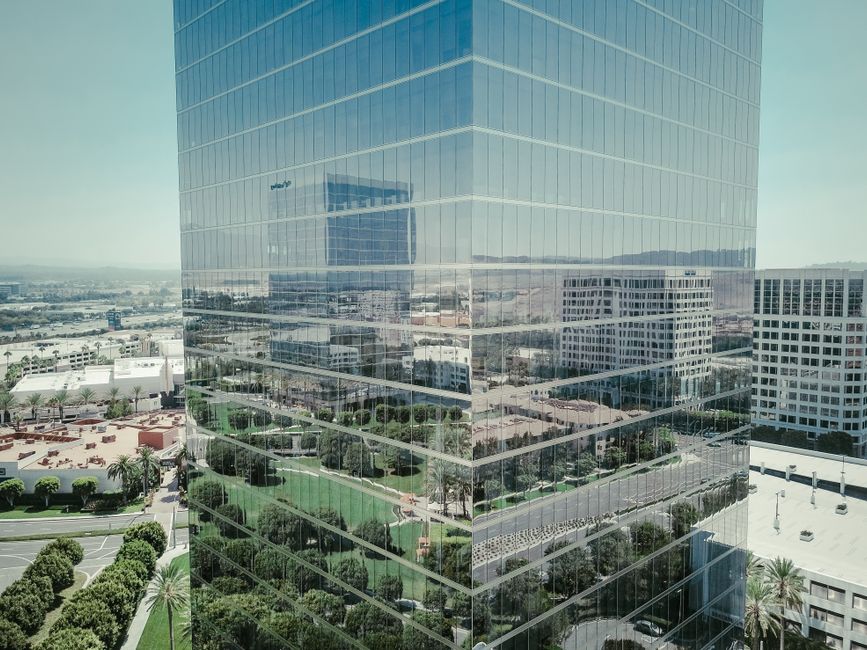
Gurgaon has long been the corporate backbone of the Delhi NCR region, but 2025 marks a distinct inflection point. Vacancy rates are tightening, Grade A supply is being absorbed faster than it is delivered, and global occupiers are doubling down on their footprint here. If you are evaluating commercial real estate in Gurgaon — whether as an investor, an occupier, or a developer — understanding the city’s micro-markets is no longer optional. It is the difference between a well-timed decision and an expensive one.
What Is Driving Gurgaon’s Commercial Real Estate Surge?
Several structural forces are converging simultaneously. India’s GDP trajectory, the continued expansion of Global Capability Centres (GCCs), and Gurgaon’s unmatched infrastructure relative to other tier-one cities are pulling both domestic and multinational tenants toward this market.
According to JLL India’s research on office market trends, Gurgaon consistently ranks among the top two cities in the country for net office absorption. In 2024, the city crossed 8 million square feet in annual leasing activity — and early 2025 data suggests that pace is holding.
Beyond the headline numbers, a few demand drivers stand out:
GCC Expansion: India hosts over 1,700 GCCs, and Gurgaon is one of their preferred anchors. Companies in technology, BFSI, and consulting are establishing or expanding delivery hubs here, looking for large-format, future-ready campuses.
Flex Space Penetration: Managed offices and co-working operators have matured from a niche product to a mainstream leasing vehicle. Operators like WeWork, Awfis, and Smartworks are signing larger deals in Gurgaon than in any previous cycle, partly because enterprise clients now use flex as a strategic portfolio tool rather than a stopgap.
Infrastructure Confidence: The Dwarka Expressway became fully operational in 2024, unlocking a new development corridor almost overnight. Combined with the existing Golf Course Road and NH-48 corridors, Gurgaon now has three distinct commercial spines — each with its own tenant profile and pricing tier.
Micro-Market Breakdown: Where the Action Is by Sector
Not all of Gurgaon is moving at the same speed. The city’s commercial landscape is genuinely segmented, and sector-level analysis reveals meaningful differences in rents, vacancy, and tenant quality.
Golf Course Road and Golf Course Extension Road
This remains Gurgaon’s most prestigious office corridor. Trophy assets from developers like DLF and Bharti Realty command rents between ₹110 and ₹160 per square foot per month, with vacancy in single digits for Grade A stock. Financial services firms, law firms, and the Indian headquarters of global conglomerates anchor this belt. For investors, yields are compressed but asset quality is the most resilient in a downturn.
NH-48 (MG Road to Cyber City)
Cyber City and Cyber Hub form the commercial heartland of this corridor. This stretch hosts the highest concentration of Fortune 500 occupiers in any single micromarket outside Mumbai’s BKC. Rents range from ₹90 to ₹130 per square foot, and large floor plates of 50,000 square feet and above are genuinely available — something the Golf Course Road corridor cannot always offer at scale. Technology and outsourcing firms dominate here, though BFSI tenants are growing their share.
Dwarka Expressway Corridor
This is the market to watch for the next three to five years. Rents are currently in the ₹55 to ₹80 per square foot range, which makes it the most affordable Grade A option in Gurgaon. With the expressway now operational and metro connectivity being planned, occupiers who are cost-conscious but unwilling to compromise on building quality are moving here quickly. Institutional investors have already started deploying capital into projects along this belt, anticipating rental appreciation as supply tightens.
Sohna Road and Southern Peripheral Road (SPR)
Once considered secondary, this corridor has matured considerably. Mid-size technology companies, ed-tech firms, and healthcare sector occupiers have been the primary demand drivers. Rents sit between ₹65 and ₹95 per square foot, vacancy is trending downward, and several new Grade A completions in 2025 are expected to be absorbed rapidly. SPR, in particular, benefits from its proximity to residential catchments, which helps occupiers with talent retention.
Investment Outlook and What Buyers Should Know
For those evaluating commercial real estate in Gurgaon as a long-term investment, a few principles are worth anchoring to.
First, Grade A assets in established corridors are not cheap, but they carry significantly lower risk. Vacancy in this segment has remained below 10% even during the pandemic years, which speaks to the depth of occupier demand in Gurgaon specifically.
Second, pre-leased properties remain the safest entry point for investors who want predictable cash flows. The market has enough institutional-grade developers — DLF, Godrej, M3M, Signature Global — that sourcing credible pre-leased assets is more feasible here than in most other Indian cities.
Third, the regulatory environment has steadily improved. Haryana’s RERA implementation has brought greater transparency to project timelines and developer accountability, which matters when you are committing capital over a 5-to-10-year horizon.
Whether you are a high-net-worth individual buying a commercial unit, a family office building a portfolio, or a corporate occupier right-sizing after a hybrid work reset, Gurgaon’s diversity of micro-markets means there is a viable entry point at almost every budget and risk appetite.
Frequently Asked Questions
What makes commercial real estate in Gurgaon different from other NCR markets like Noida?
Gurgaon has historically attracted a higher share of multinational and Fortune 500 occupiers compared to Noida, resulting in stronger rental growth and lower vacancy in the Grade A segment. Noida competes on cost, while Gurgaon competes on prestige, infrastructure quality, and depth of talent pools — particularly for senior white-collar roles.
Which micro-market offers the best rental yield for investors in 2025?
The Dwarka Expressway corridor currently offers the most attractive risk-adjusted yields, given lower entry prices and strong rental growth potential as infrastructure matures. Established corridors like Cyber City offer stability but yields are more compressed due to higher asset prices.
Is flex or co-working space a sound commercial investment in Gurgaon?
Flex space as an asset class carries operator risk, but leasing to institutional-grade operators on long-term agreements in Gurgaon’s core markets has proven viable. Many investors prefer to buy vanilla office space and let established operators manage it under a revenue-sharing or fixed-lease model.
How has the Dwarka Expressway changed the commercial landscape?
The expressway’s completion in 2024 has effectively created a third major commercial corridor in Gurgaon, linking Dwarka in Delhi to NH-48. This has brought previously underserved land parcels into the mainstream development pipeline and given cost-conscious tenants a credible alternative to the city’s pricier established belts.
What sectors are driving office leasing demand in Gurgaon in 2025?
Technology and IT services remain the largest demand driver, followed closely by BFSI, professional services, and GCCs across sectors. Healthcare and life sciences are an emerging segment, particularly along the Sohna Road and SPR corridors.
Should a business lease or buy commercial space in Gurgaon?
For most businesses, leasing remains the preferred route because it preserves capital flexibility and allows for easier right-sizing as headcount evolves. Buying makes more sense for businesses with a long-term anchor presence — typically 10 years or more — and access to capital that would otherwise sit idle.