
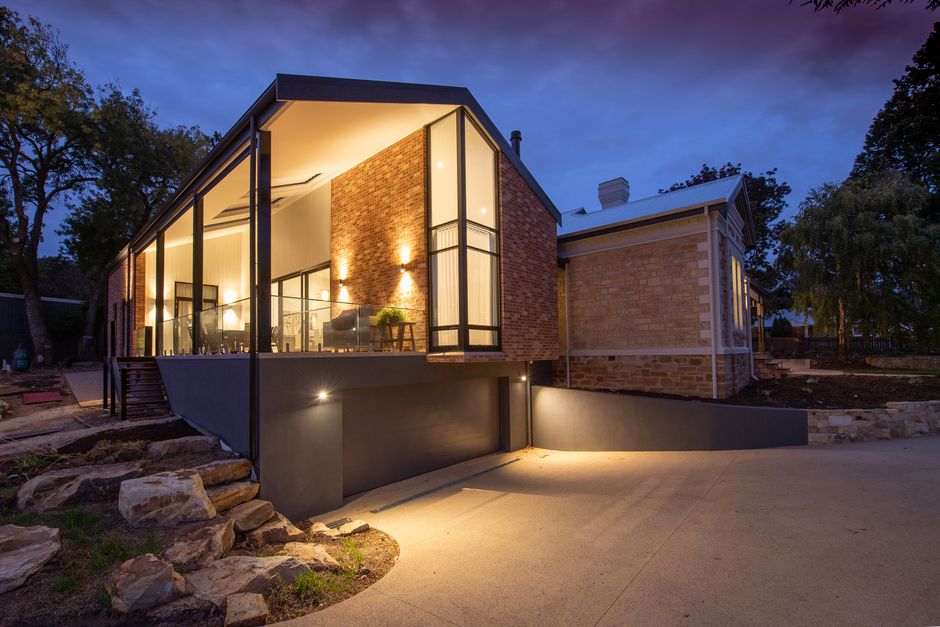
Somewhere between paying off your second mortgage and watching your investment portfolio quietly compound, a thought surfaces: is it time to upgrade? For many successful professionals and investors, the leap from mid-segment housing into aspirational property luxury home buying isn’t just a lifestyle choice — it’s a calculated financial move that deserves the same rigour as any other major investment decision.
But knowing when to act, how to prepare your finances, and what levers to pull at the negotiating table separates buyers who thrive in the luxury segment from those who overextend themselves.
The Financial Triggers That Signal You’re Ready
Luxury property purchases rarely happen impulsively — at least not the ones that work out well. The buyers who make the transition smoothly share a handful of consistent financial markers.
Equity has matured into meaningful leverage. If your current property has appreciated significantly and you’re sitting on substantial equity, that capital can serve as a down payment without liquidating other investments. In most luxury markets, lenders expect 20–30% down, so your equity position matters enormously.
Your income streams have diversified. Relying on a single salary to service a high-value mortgage is a vulnerability. Buyers who upgrade successfully often have two or more income sources — a primary salary, rental income, dividends, or business distributions — providing buffer against rate shifts or income disruption.
Your debt-to-income ratio is comfortable below 35%. Luxury lenders scrutinise this number closely. According to the Consumer Financial Protection Bureau, a DTI above 43% typically disqualifies buyers from qualified mortgage products, making a lower ratio not just preferable but practically essential.
Your emergency fund remains untouched. One mistake mid-segment buyers make when upgrading is draining reserves to close the deal. Luxury properties carry higher ongoing costs — maintenance, insurance, property taxes, and HOA fees — that can run 2–4% of the purchase price annually. Your safety net should survive the purchase intact.
If three or four of these markers apply to you simultaneously, the financial foundation is there. The question becomes one of timing.
Reading the Market: Timing Signals That Actually Matter
Luxury real estate doesn’t move in lockstep with the broader housing market. High-end inventory often behaves counter-cyclically: when mass-market properties are scarce, luxury stock can sit longer, giving informed buyers real negotiating room.
Days on market is your clearest signal. In a balanced luxury market, premium properties sell in 60–120 days. When average days on market in your target neighbourhood stretch past 150, sellers are feeling pressure — and motivated sellers negotiate differently than confident ones.
Watch for price reduction patterns. A single price cut is routine. Two reductions on the same property within 90 days signals the seller’s expectations have fundamentally shifted. That’s the moment to make a serious approach.
Interest rate windows matter more at higher loan values. A 0.5% difference on a $1.5 million mortgage represents roughly $4,500 per year in interest. Monitoring rate cycles isn’t just smart — at this price point, it’s essential. Resources like Freddie Mac’s Primary Mortgage Market Survey track weekly rate movement and give you an objective baseline for timing your application.
Lifestyle readiness is a timing signal too. Are your children at a stable point in school? Is your business or career in a phase where relocating serves rather than disrupts growth? Luxury property purchases often come with longer settlement periods and more complex logistics. Aligning those practicalities with your personal calendar prevents costly forced decisions.
Negotiation Tactics That Work in the Luxury Segment
High-value real estate negotiation operates on different social and financial dynamics than mid-segment transactions. Sellers of luxury properties often have deep emotional attachment to the asset, meaning pure price aggression can backfire. Strategic, respectful positioning tends to produce better outcomes.
Lead with a credibility package, not just an offer. Before submitting a price, your agent should deliver a pre-approval letter, proof of funds for the deposit, and a brief buyer profile that humanises you as a steward of the property. Luxury sellers frequently turn down higher offers from buyers who feel uncertain or transactional.
Negotiate terms, not just price. Closing timelines, included furnishings, early access for contractors, and settlement flexibility are all negotiable and sometimes worth more than a price reduction. A seller who needs 90 days to vacate will take a slightly lower number from a buyer who accommodates that need.
Use inspection findings as a second negotiation. Even in prime condition, a luxury home at this price tier will surface inspection items. Rather than asking for repairs, request a price adjustment equivalent to the remediation cost. This keeps the deal clean and gives you control over the quality of work.
Understand the seller’s motivation before you write anything. Is this a divorce, a relocation, an estate sale, or a discretionary upgrade? Each scenario carries different pressure points. A relocating seller values certainty and speed. An estate sale trustee values simplicity and a clean contract. Knowing the motivation lets you tailor your offer to solve their actual problem — and aspirational property luxury home buying becomes far less adversarial when both sides feel understood.
The upgrade from mid-segment to luxury isn’t a single transaction — it’s the beginning of a different relationship with real estate as a wealth-building vehicle.
Frequently Asked Questions
How much equity should I have before upgrading to a luxury property?
Most financial advisors suggest having at least 20–30% of the luxury property’s purchase price available from equity or liquid assets. This covers the typical down payment requirement and leaves room for closing costs, which in luxury transactions can reach 3–5% of the purchase price.
Is it better to sell my current home before buying a luxury property?
In most cases, yes. Carrying two mortgages simultaneously — particularly at high loan values — creates significant financial exposure. Selling first gives you a clear equity figure, a cleaner balance sheet for lender assessment, and stronger negotiating confidence when you make your luxury offer.
What are the ongoing costs I should budget for in a luxury home?
Beyond your mortgage, budget approximately 2–4% of the property’s value annually for maintenance, insurance, and property taxes. Premium finishes, larger land areas, pools, and smart-home systems all carry higher upkeep costs than standard mid-segment homes.
Do luxury property sellers negotiate more or less than mid-segment sellers?
They negotiate differently. Luxury sellers often have less financial urgency, so pure price pressure rarely works well. However, they tend to respond strongly to terms-based negotiation — flexible timelines, clean contracts, and buyers who present credibly. The emotional dimension of selling a prized home is also real and shouldn’t be underestimated.
How long does it typically take to close on a luxury property?
Luxury transactions often run 45–90 days from accepted offer to settlement, though some complex deals — particularly those involving trust structures, international buyers, or significant contingencies — can extend beyond 90 days. Build this timeline into your planning.
Should I use a specialist luxury real estate agent?
Yes. Agents who work exclusively or primarily in the luxury segment have access to off-market listings, relationships with listing agents, and negotiation experience specific to high-value transactions. Their commission is typically offset many times over by the terms they secure and the mistakes they help you avoid.